Shopify Integration Guide: Quick Start
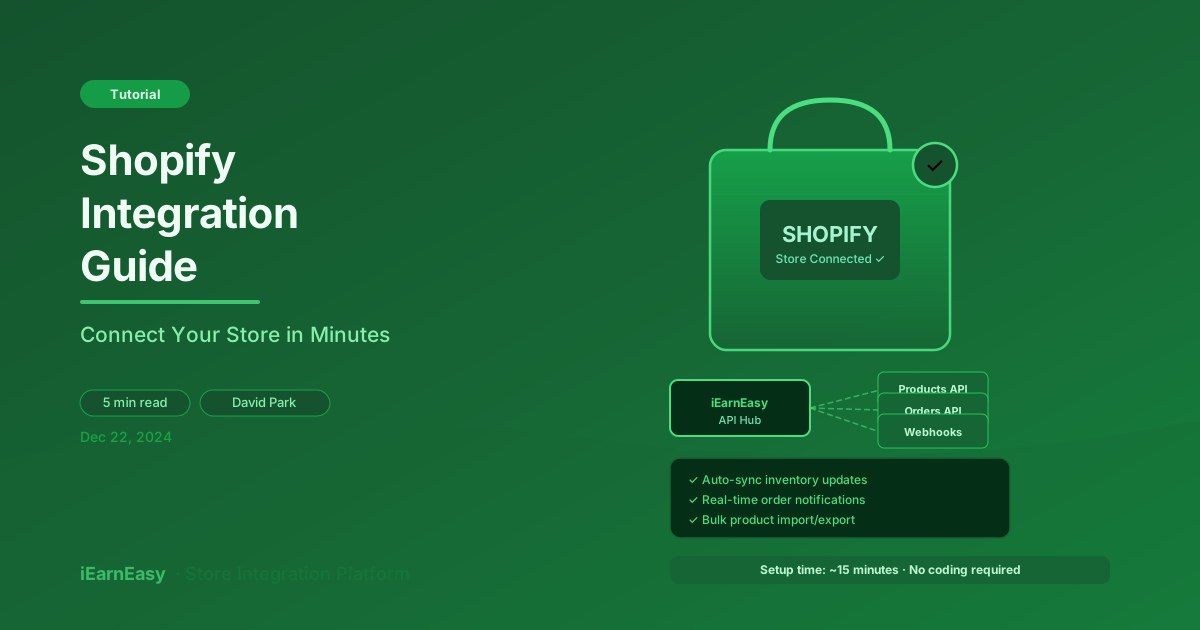
Why Choose Shopify
Shopify is one of the world's leading e-commerce platforms, known for ease of use and powerful features. Whether you're an e-commerce beginner or experienced seller, Shopify meets your needs.
Shopify advantages include: build sites without technical background, rich theme and app ecosystem, powerful marketing tools, reliable payment processing, excellent customer support.
Step 1: Create Shopify Account
Visit Shopify.com and click Start Free Trial. You'll get 14 days free trial, no credit card required.
Registration is simple - just provide email, password, and store name. Shopify will guide you through initial setup.
Step 2: Basic Setup
After creating your account, complete these basic settings:
- Set store basic information (name, address, contact)
- Choose and customize theme
- Configure payment methods (Shopify Payments or third-party gateway)
- Set shipping and tax rules
- Create necessary pages (About Us, Return Policy, etc.)
Step 3: Add Products
Shopify's product management interface is intuitive. For each product, provide: title and description, price and inventory, product images, variants (like size, color), SEO information.
Tip: Use CSV files to bulk import products, saving significant time.
Step 4: Optimize and Test
Before official launch, conduct comprehensive testing: complete test orders, check payment process, test mobile experience, verify all links and pages, set up Google Analytics tracking.
Remember: post-launch optimization is equally important. Continuously monitor data, listen to customer feedback, and keep improving.
Conclusion
Shopify integration isn't complex - following this guide, you can build a professional online store in hours. Key is to fully utilize Shopify's tools and resources, continuously learn and optimize. Start your Shopify journey now!
Tom Wilson
Cross-border e-commerce expert, focused on helping sellers optimize operation strategies and improve business performance.
Related Posts
2024 Cross-Border E-Commerce Trends: AI-Driven Transformation
Explore how artificial intelligence is reshaping the cross-border e-commerce industry, from automated operations to smart product selection.
AI Translation Best Practices: Secrets to Boost Product Conversion
Learn how to use AI translation tools to optimize product titles and descriptions, making your products stand out in international markets.